Buy widukind.net ?
We are moving the project
widukind.net .
Are you interested in purchasing the domain
widukind.net ?
domain@kv-gmbh.de · 0541-91531010
Buy widukind.net ?
Are Slavic languages more closely related and similar to each other than Germanic languages are to each other?
Yes, Slavic languages are generally more closely related and similar to each other than Germanic languages are to each other. This is because Slavic languages belong to the same language family and share a common ancestry, while Germanic languages also belong to the same language family but have undergone more divergence over time. Additionally, Slavic languages have more shared grammatical and phonological features compared to Germanic languages, which have experienced greater divergence and influence from other language families. **
In history, which countries fought each other the most?
Throughout history, some of the countries that have fought each other the most include France and England (later Britain), due to conflicts such as the Hundred Years' War and the Napoleonic Wars. Another example is Germany and France, with numerous conflicts including the Franco-Prussian War and World War I. Additionally, the United States and Japan have a history of conflict, particularly during World War II. These are just a few examples of countries that have engaged in frequent and significant military conflicts throughout history. **

Similar search terms for Each
Top-Angebote
Products related to Each:
-
Salon Care Carved Styling Shears eachSalon Care Carved Styling Shears are made of stainless steel and produce long-lasting edges for precise, smooth cutting action. The lightweight handles with a molded-in finger rest provide a comfortable grip.59,99 $*Shipping: 0,00 $Secure redirect to the provider
-
Bondbar Bonding Technology Lightener Highlighting Kit eachbondbar Bonding Technology Lightener Highlighting Kit provides the current bondbar Bonding Technology Lightener and 30v Creme Developer, designed to protect and hydrate hair bonds during the lightening process. Compared to traditional lighteners,...22,89 $*Shipping: 0,00 $Secure redirect to the provider
-
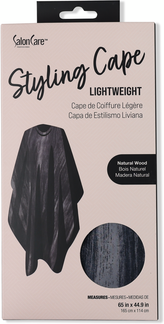
Salon Care Styling Cape Natural Wood eachThis Salon Care Lightweight Styling Cape in Natural Wood combines comfort and protection for every haircut, coloring, or styling session. Made from durable, water-resistant polyester, it keeps clothing clean and dry, making it a practical choice for...26,59 $*Shipping: 0,00 $Secure redirect to the provider



-
Why is no Germanic history taught?
Germanic history is often overlooked in traditional history curriculums because it is not as well-documented or as widely studied as other historical periods. Additionally, the focus of many history courses tends to be on more well-known civilizations and empires, suchjson as ancient Greece and Rome, or more recent events such as the World Wars. However, Germanic history has played a significant role in shaping Europe and the world, and it is important to include it in historical education to provide a more comprehensive understanding of the past. Efforts are being made to incorporate Germanic history into curriculums, but it may still be overshadowed by other historical topics. **
-
Could the Germanic tribes communicate with each other in the Early Middle Ages?
Yes, the Germanic tribes could communicate with each other in the Early Middle Ages. They shared a common language root, which allowed for basic communication and understanding among the different tribes. Additionally, trade and warfare also facilitated communication and interaction between the tribes. However, the lack of a standardized written language meant that communication was primarily oral and limited to face-to-face interactions. **
-
Are all the Wilhelms from history related to each other?
No, not all the Wilhelms from history are related to each other. The name Wilhelm is of German origin and has been a popular name throughout history, particularly among German royalty. There have been many notable figures with the name Wilhelm, such as Wilhelm the Great, Wilhelm II of Germany, and Wilhelm Roentgen, the discoverer of X-rays. While some of these figures may be related through ancestry or lineage, not all Wilhelms are connected to each other. **
-
Which countries were at war with each other the most in history?
It is difficult to pinpoint the exact countries that have been at war with each other the most in history, as conflicts have been ongoing for centuries and involve numerous nations. However, some of the countries that have a long history of conflict include France and England, Germany and France, and India and Pakistan. These countries have been involved in multiple wars and conflicts over territorial disputes, power struggles, and ideological differences. The frequency of wars between these nations has contributed to a long-standing history of animosity and conflict. **


Who were the parents of Widukind?
Widukind, also known as Widukind the Great, was a Saxon leader and chief who led the resistance against the Frankish king Charlemagne during the Saxon Wars in the late 8th and early 9th centuries. The parents of Widukind are not definitively known, as there are conflicting accounts in historical sources. Some sources suggest that his father was a Saxon noble named Wursing, while others claim that his father was a chieftain named Wigbert. The identity of his mother is also uncertain. **
Each one of you or each one of you?
Both "each one of you" and "each one of you" are correct, but they are used in slightly different contexts. "Each one of you" is used when referring to individuals within a group, emphasizing the uniqueness of each person. On the other hand, "each one of you" is used when addressing a group as a whole, emphasizing the collective nature of the group. Both phrases are grammatically correct and can be used interchangeably depending on the context. **
Top-Angebote
Products related to Each:
-
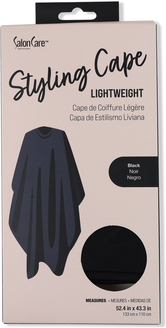
Salon Care Styling Cape Black eachThis Salon Care Lightweight Styling Cape in Black provides reliable, high quality protection and comfort during haircuts, coloring, and styling. Made from durable, water-resistant nylon, it helps keep clothing clean and dry for every hair session.22,59 $*Shipping: 0,00 $Secure redirect to the provider
-
Salon Care Carved Styling Shears eachSalon Care Carved Styling Shears are made of stainless steel and produce long-lasting edges for precise, smooth cutting action. The lightweight handles with a molded-in finger rest provide a comfortable grip.59,99 $*Shipping: 0,00 $Secure redirect to the provider
-
Are Slavic languages more closely related and similar to each other than Germanic languages are to each other?
Yes, Slavic languages are generally more closely related and similar to each other than Germanic languages are to each other. This is because Slavic languages belong to the same language family and share a common ancestry, while Germanic languages also belong to the same language family but have undergone more divergence over time. Additionally, Slavic languages have more shared grammatical and phonological features compared to Germanic languages, which have experienced greater divergence and influence from other language families. **
-
In history, which countries fought each other the most?
Throughout history, some of the countries that have fought each other the most include France and England (later Britain), due to conflicts such as the Hundred Years' War and the Napoleonic Wars. Another example is Germany and France, with numerous conflicts including the Franco-Prussian War and World War I. Additionally, the United States and Japan have a history of conflict, particularly during World War II. These are just a few examples of countries that have engaged in frequent and significant military conflicts throughout history. **
-
Why is no Germanic history taught?
Germanic history is often overlooked in traditional history curriculums because it is not as well-documented or as widely studied as other historical periods. Additionally, the focus of many history courses tends to be on more well-known civilizations and empires, suchjson as ancient Greece and Rome, or more recent events such as the World Wars. However, Germanic history has played a significant role in shaping Europe and the world, and it is important to include it in historical education to provide a more comprehensive understanding of the past. Efforts are being made to incorporate Germanic history into curriculums, but it may still be overshadowed by other historical topics. **
-
Could the Germanic tribes communicate with each other in the Early Middle Ages?
Yes, the Germanic tribes could communicate with each other in the Early Middle Ages. They shared a common language root, which allowed for basic communication and understanding among the different tribes. Additionally, trade and warfare also facilitated communication and interaction between the tribes. However, the lack of a standardized written language meant that communication was primarily oral and limited to face-to-face interactions. **
Similar search terms for Each
-
Bondbar Bonding Technology Lightener Highlighting Kit eachbondbar Bonding Technology Lightener Highlighting Kit provides the current bondbar Bonding Technology Lightener and 30v Creme Developer, designed to protect and hydrate hair bonds during the lightening process. Compared to traditional lighteners,...22,89 $*Shipping: 0,00 $Secure redirect to the provider
-
Salon Care Styling Cape Natural Wood eachThis Salon Care Lightweight Styling Cape in Natural Wood combines comfort and protection for every haircut, coloring, or styling session. Made from durable, water-resistant polyester, it keeps clothing clean and dry, making it a practical choice for...26,59 $*Shipping: 0,00 $Secure redirect to the provider
-
Salon Care Styling Cape Ombre Grey eachThis Salon Care LightweightStyling Cape in Ombre Grey combines comfort and protection for every haircut, coloring, or styling session. Made from durable, water-resistant polyester, it keeps clothing clean and dry, making it a versatile and practical...24,69 $*Shipping: 0,00 $Secure redirect to the provider
-
Are all the Wilhelms from history related to each other?
No, not all the Wilhelms from history are related to each other. The name Wilhelm is of German origin and has been a popular name throughout history, particularly among German royalty. There have been many notable figures with the name Wilhelm, such as Wilhelm the Great, Wilhelm II of Germany, and Wilhelm Roentgen, the discoverer of X-rays. While some of these figures may be related through ancestry or lineage, not all Wilhelms are connected to each other. **
-
Which countries were at war with each other the most in history?
It is difficult to pinpoint the exact countries that have been at war with each other the most in history, as conflicts have been ongoing for centuries and involve numerous nations. However, some of the countries that have a long history of conflict include France and England, Germany and France, and India and Pakistan. These countries have been involved in multiple wars and conflicts over territorial disputes, power struggles, and ideological differences. The frequency of wars between these nations has contributed to a long-standing history of animosity and conflict. **
-
Who were the parents of Widukind?
Widukind, also known as Widukind the Great, was a Saxon leader and chief who led the resistance against the Frankish king Charlemagne during the Saxon Wars in the late 8th and early 9th centuries. The parents of Widukind are not definitively known, as there are conflicting accounts in historical sources. Some sources suggest that his father was a Saxon noble named Wursing, while others claim that his father was a chieftain named Wigbert. The identity of his mother is also uncertain. **
-
Each one of you or each one of you?
Both "each one of you" and "each one of you" are correct, but they are used in slightly different contexts. "Each one of you" is used when referring to individuals within a group, emphasizing the uniqueness of each person. On the other hand, "each one of you" is used when addressing a group as a whole, emphasizing the collective nature of the group. Both phrases are grammatically correct and can be used interchangeably depending on the context. **
* All prices are inclusive of VAT and, if applicable, plus shipping costs. The offer information is based on the details provided by the respective shop and is updated through automated processes. Real-time updates do not occur, so deviations can occur in individual cases. ** Note: Parts of this content were created by AI.