Buy widukind.net ?
We are moving the project
widukind.net .
Are you interested in purchasing the domain
widukind.net ?
domain@kv-gmbh.de · 0541-91531010
Buy widukind.net ?
Did the Germanic people exclusively eat pork?
No, the Germanic people did not exclusively eat pork. While pork was a significant part of their diet, they also consumed other meats such as beef, lamb, and wild game. Additionally, they ate a variety of grains, fruits, vegetables, and dairy products. The Germanic diet was diverse and varied depending on the region and time period. **
What did the Germanic people eat in the winter?
During the winter, the Germanic people typically ate preserved and stored foods such as cured meats, dried fruits, and pickled vegetables. They also relied on grains and legumes that could be stored for long periods of time, as well as fermented foods like sauerkraut and sourdough bread. Hunting and fishing were also important sources of food during the winter, providing fresh meat and fish to supplement their preserved supplies. Overall, the Germanic people had to be resourceful and creative in order to ensure they had enough food to sustain them through the long winter months. **
Similar search terms for Eat
Top-Angebote
Products related to Eat:
-
Why We Eat & How To Eat by Dr Andrew Jenkinson 2 Books Collection Set - Non Fiction - Paperback Penguin Random HouseTitles in this Set: 1. Why We Eat 2. How to Eat Description: Why We Eat We've all heard the golden rule: eat less, exercise more and you'll lose weight. But what if it isn't that simple? For over two decades, weight loss surgeon Dr Andrew Jenkinson has treated thousands of people who have become trapped in the endless cycle of dieting. Why We Eat (Too Much), combines case studies from his practice and the new science of metabolism to illuminate how our appetite really works. Debunking myths of about body and systematically explaining why dieting is counter-productive, this unflinching book investigates every aspect of nutrition: from the 'set weight point' that is unique to all of us, to good and bad fats, and from how genes impact our weight to how our hormones are affected after a diet ends. With a new chapter about the link between obesity and COVID-19, this incredible book will help you understand your body better than ever before. How To Eat ‘One of Britain’s top weight-loss experts’ This Morning For years we’ve been told that successful weight loss is a simple matter of willpower and calorie control. But this argument fails to take into account how our brains and bodies respond to food – in particular, to the ultra-processed foods that seem inescapable in modern life. Bariatric surgeon and Sunday Times bestselling author Dr Andrew Jenkinson gives us a game-changing blueprint to free us from our biological impulses. Even though our brains are hardwired to seek out quick rewards in salty and sugary foods, he demonstrates how to escape our default behaviours to create long-lasting change. With cutting edge metabolic science, mental reprogramming strategies, easy lifestyle changes and even delicious recipes, maintaining a healthy weight never felt so good.12,99 £*Shipping: 2,99 £Secure redirect to the provider
-
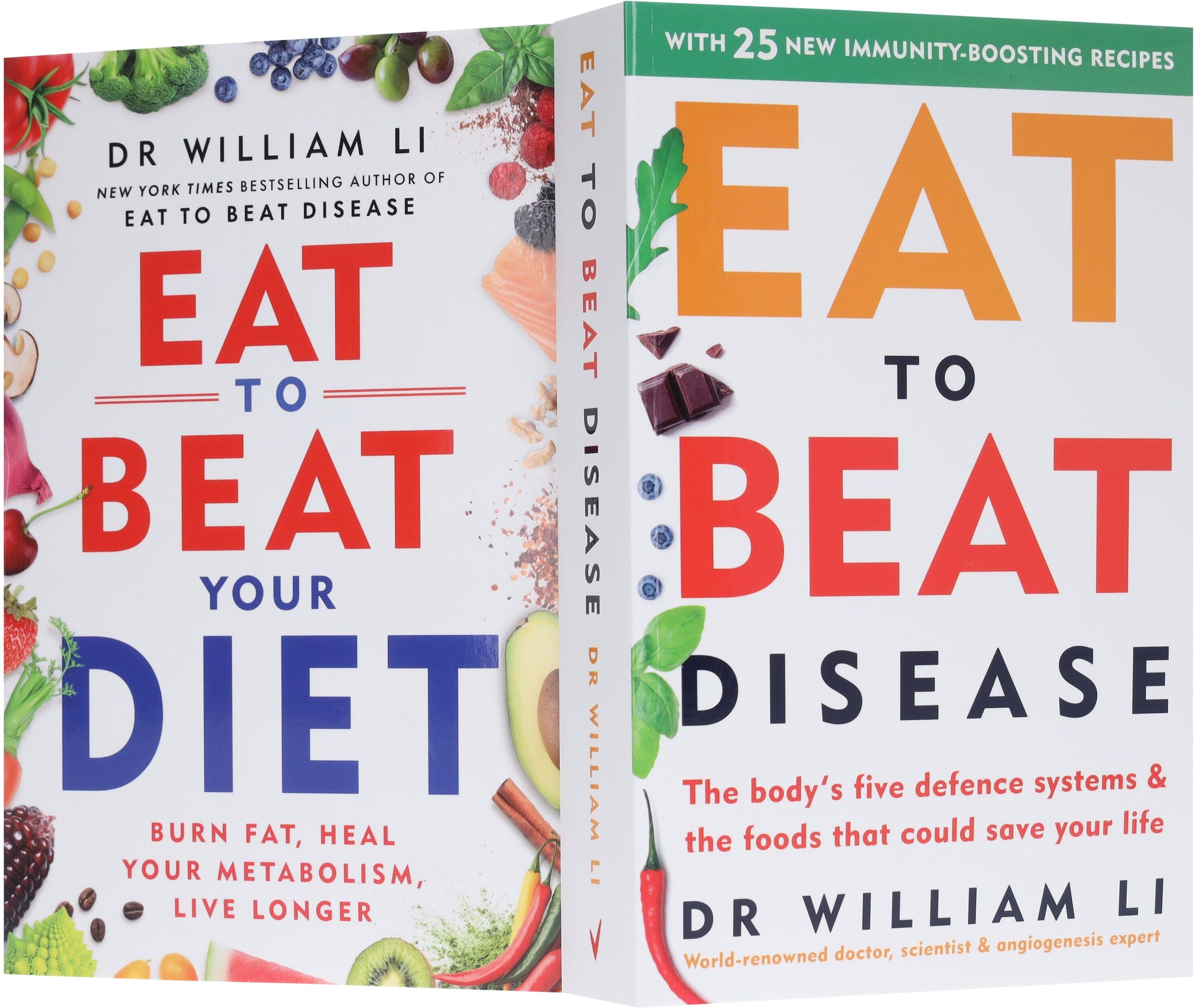
Dr William Li's Eat to Beat Disease & Eat to Beat Your Diet Collection 2 Books Set - Non Fiction - Paperback Penguin Random HouseTitles in this Set: 1. Eat to Beat Disease 2. Eat to Beat Your Diet Description: Eat to Beat Disease: In Eat to Beat Disease, Dr William Li explains that your body was designed to fight threats like these and we have radically underestimated how food can be used to amplify this hidden power. Your body has five natural defence systems that, if functioning well, can protect you: angiogenesis (growing new blood vessels), cell regeneration, the microbiome, DNA protection and immunity. The healthy working of each has been found to be intimately connected to the foods we eat – and the findings are sometimes surprising. Discover:· Why scientists think drinking hot cocoa boosts stem cells crucial for your body's regeneration· The role of cheese and wine in maintaining healthy gut bacteria· Why drinking coffee lowers your risk of dying. Eat to Beat Your Diet: Dr William Li's first book, Eat to Beat Disease, showed us how eating the right foods can reduce the risk of chronic diseases, while also extending our lifespan and improving our overall health. Building on this groundbreaking work, Dr Li now brings us Eat to Beat Your Diet, a revolutionary, science-based approach to weight loss. Eating more of the right foods and adopting a "MediterAsian" diet (combining the best of Mediterranean and Asian diets) can promote fat loss and improve our metabolism in as little as 21 days. Rooted in new science, Eat to Beat Your Diet offers a simple plan providing leading research on how supplements, sleep and exercise can help us defend the body against excess fat.33,99 £*Shipping: 2,99 £Secure redirect to the provider
-
Skip's Garage Eat, Drink, and Be Married Cornhole Boards"Includes: (2) Cornhole Boards & (8) Bags. Boards are Regulation Sized 24"" Wide x 48"" Long. Bags Will Complement The Board Colors. Easily Message Us Bag Color Requests. Easily Add a Carry Cases, Lights, or Both!"258,99 $*Shipping: 0,00 $Secure redirect to the provider
-
Skip's Garage Eat, Drink, and Be Married Cornhole Boards"Includes: (2) Cornhole Boards & (8) Bags. Boards are Regulation Sized 24"" Wide x 48"" Long. Bags Will Complement The Board Colors. Easily Message Us Bag Color Requests. Easily Add a Carry Cases, Lights, or Both!"311,49 $*Shipping: 0,00 $Secure redirect to the provider



-
Why is no Germanic history taught?
Germanic history is often overlooked in traditional history curriculums because it is not as well-documented or as widely studied as other historical periods. Additionally, the focus of many history courses tends to be on more well-known civilizations and empires, suchjson as ancient Greece and Rome, or more recent events such as the World Wars. However, Germanic history has played a significant role in shaping Europe and the world, and it is important to include it in historical education to provide a more comprehensive understanding of the past. Efforts are being made to incorporate Germanic history into curriculums, but it may still be overshadowed by other historical topics. **
-
What did the Germanic people eat as finger food back then?
The Germanic people back then would have likely eaten a variety of foods as finger food, such as bread, cheese, fruits, nuts, and dried meats. These items were easy to eat without utensils and could be carried and consumed while on the move. Additionally, they may have also enjoyed small pastries or cakes made from grains and sweetened with honey or fruits. Overall, their finger foods would have been simple, portable, and nutritious to sustain them during their daily activities. **
-
Who were the parents of Widukind?
Widukind, also known as Widukind the Great, was a Saxon leader and chief who led the resistance against the Frankish king Charlemagne during the Saxon Wars in the late 8th and early 9th centuries. The parents of Widukind are not definitively known, as there are conflicting accounts in historical sources. Some sources suggest that his father was a Saxon noble named Wursing, while others claim that his father was a chieftain named Wigbert. The identity of his mother is also uncertain. **
-
What is the history of the ancient Germanic peoples?
The ancient Germanic peoples were a group of tribes that originated in northern Europe around the first millennium BCE. They were known for their warrior culture and fierce independence. The Germanic tribes played a significant role in the fall of the Western Roman Empire and the subsequent migration period in Europe. Over time, they gradually assimilated into other cultures and their languages evolved into modern German, Dutch, English, and other Germanic languages. **


What is the history of the ancient Germanic people?
The ancient Germanic people were a group of diverse tribes and clans that originated in northern Europe around the first millennium BCE. They were known for their warrior culture, pagan beliefs, and decentralized political structure. The Germanic tribes played a significant role in the fall of the Western Roman Empire and the subsequent formation of medieval Europe. Over time, they were influenced by Roman and Christian cultures, leading to the development of modern Germanic languages and traditions. **
What was so great about the Germanic people in history?
The Germanic people in history were known for their fierce warrior culture, which made them formidable opponents in battle. They were also skilled craftsmen and traders, contributing to the spread of their culture and influence across Europe. Additionally, their legal and political systems, such as the early forms of the assembly and the concept of personal freedom, had a lasting impact on the development of Western civilization. Overall, the Germanic people played a significant role in shaping the history and culture of Europe. **
Top-Angebote
Products related to Eat:
-
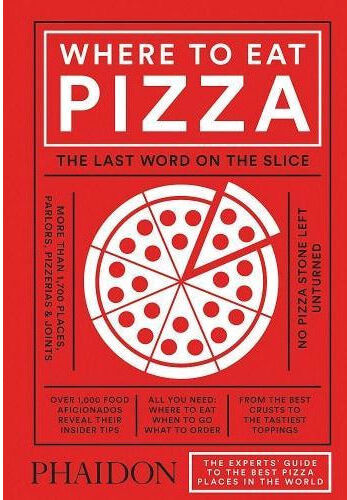
Phaidon Press Where To Eat PizzaWhere to Eat Pizza Description: Over 1;000 food experts and aficionados from around the world reveal their insider tips on finding a perfect slice of pizza From the publishers of the bestselling Where Chefs Eat comes the next food-guide sensation on the most popular dish - pizza! The world over; people want the inside scoop on where to get that ultimate slice of pizza. With quotes from chefs; critics; and industry experts; readers will learn about secret ingredients; special sauces; and the quest for the perfect crust. The guide includes detailed city maps; reviews; key information and honest comments from the people you had expect to know. Featuring more than 1;700 world-wide pizzerias; parlours; and pizza joints listed. All you need to know - where to go; when to go; and what to order.12,99 £*Shipping: 2,99 £Secure redirect to the provider
-
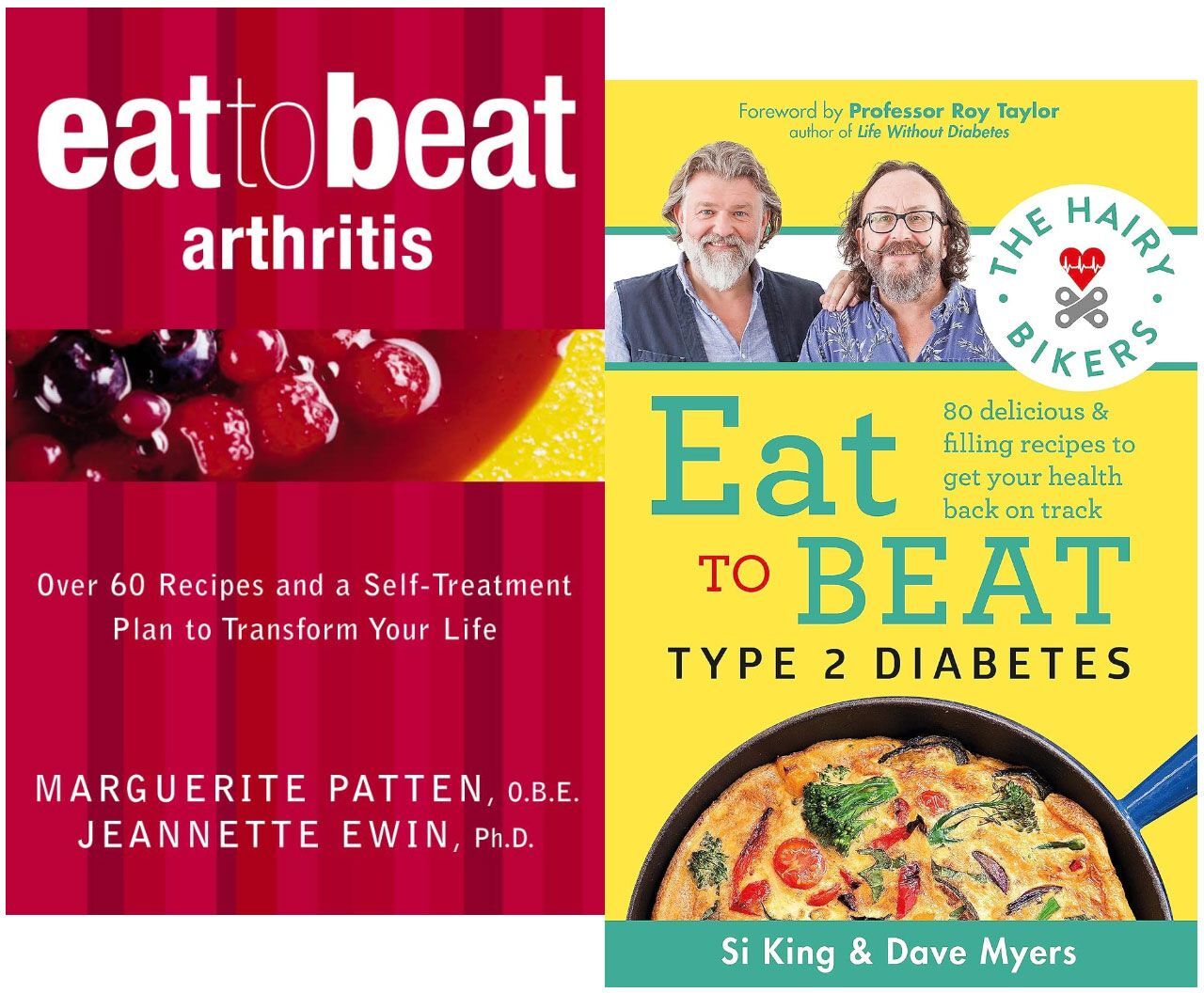
Seven The Hairy Biker Eat to Beat Type 2 Diabetes & Eat to Beat Arthritis 2 Books Collection SetThe Hairy Biker Eat to Beat Type 2 Diabetes, Eat to Beat Arthritis 2 Books Collection Set The Hairy Bikers Eat to Beat Type 2 Diabetes he bestselling, big-hearted and down-to-earth chefs, The Hairy Bikers, return with 80 of their very best Dieter recipes. Contains previously published recipes - brought together in a collection that's designed to help tackle type 2 diabetes for the first time. In this paperback, first of a new healthy eating series, the Hairy Bikers prove that you can still eat your favourite foods while staying healthy and losing weight. With their delicious, low-cal versions of traditional classics and family favourites, the Bikers take the deprivation out of restrictive diets and are here to help you shift the pounds. This book is full of information to digest and dieting hits to enjoy. The Bikers also share their own personal stories of their battles against type 2 diabetes, and hope to inspire readers as they start their own weight loss journey. Whether you've been struggling with type 2 diabetes for years or have recently been diagnosed, there's no better time to take action and make a change. 'The Hairy Bikers continue their mission to bring sunshine and variety to the notion of 'diet'. People need to eat food. People with type 2 diabetes also need to eat food. In this book Si and Dave apply their magic to square health needs with varied, enjoyable eating. If you are looking for new and interesting ways to eat, then this book is for you.' Professor Roy Taylor, bestselling author of Life Without Diabetes. Eat to Beat Arthritis : Over 60 Recipes and a Self-treatment Plan to Transform Your Life by Marguerite Patten Freshly jacketed massmarket edition of this bestselling guide to beating arthritis through nutrition. With over 60 delicious recipes from cook Marguerite Patten, who completely eased her own painful arthritic symptoms through diet, and a comprehensive self-treatment plan from nutritionist Jeannette Ewin. Marguerite Patten suffered from crippling arthritis, but was completely eased of her painful symptoms after following Giraud Campbell's original classic arthritis diet, The New Doctor's Proven Home Cure for Arthritis. However, as a cook she found the recipes impractical and often unpalatable- so she set about creating a whole new set of easy to prepare, good to eat, arthritis-beating recipes. The 60 delicious recipes are accompanied by a nutritional plan devised by Harvard medical School trained nutrition expert and author Jeannette Ewin9,99 £*Shipping: 2,99 £Secure redirect to the provider
-
Why We Eat & How To Eat by Dr Andrew Jenkinson 2 Books Collection Set - Non Fiction - Paperback Penguin Random HouseTitles in this Set: 1. Why We Eat 2. How to Eat Description: Why We Eat We've all heard the golden rule: eat less, exercise more and you'll lose weight. But what if it isn't that simple? For over two decades, weight loss surgeon Dr Andrew Jenkinson has treated thousands of people who have become trapped in the endless cycle of dieting. Why We Eat (Too Much), combines case studies from his practice and the new science of metabolism to illuminate how our appetite really works. Debunking myths of about body and systematically explaining why dieting is counter-productive, this unflinching book investigates every aspect of nutrition: from the 'set weight point' that is unique to all of us, to good and bad fats, and from how genes impact our weight to how our hormones are affected after a diet ends. With a new chapter about the link between obesity and COVID-19, this incredible book will help you understand your body better than ever before. How To Eat ‘One of Britain’s top weight-loss experts’ This Morning For years we’ve been told that successful weight loss is a simple matter of willpower and calorie control. But this argument fails to take into account how our brains and bodies respond to food – in particular, to the ultra-processed foods that seem inescapable in modern life. Bariatric surgeon and Sunday Times bestselling author Dr Andrew Jenkinson gives us a game-changing blueprint to free us from our biological impulses. Even though our brains are hardwired to seek out quick rewards in salty and sugary foods, he demonstrates how to escape our default behaviours to create long-lasting change. With cutting edge metabolic science, mental reprogramming strategies, easy lifestyle changes and even delicious recipes, maintaining a healthy weight never felt so good.12,99 £*Shipping: 2,99 £Secure redirect to the provider
-
Dr William Li's Eat to Beat Disease & Eat to Beat Your Diet Collection 2 Books Set - Non Fiction - Paperback Penguin Random HouseTitles in this Set: 1. Eat to Beat Disease 2. Eat to Beat Your Diet Description: Eat to Beat Disease: In Eat to Beat Disease, Dr William Li explains that your body was designed to fight threats like these and we have radically underestimated how food can be used to amplify this hidden power. Your body has five natural defence systems that, if functioning well, can protect you: angiogenesis (growing new blood vessels), cell regeneration, the microbiome, DNA protection and immunity. The healthy working of each has been found to be intimately connected to the foods we eat – and the findings are sometimes surprising. Discover:· Why scientists think drinking hot cocoa boosts stem cells crucial for your body's regeneration· The role of cheese and wine in maintaining healthy gut bacteria· Why drinking coffee lowers your risk of dying. Eat to Beat Your Diet: Dr William Li's first book, Eat to Beat Disease, showed us how eating the right foods can reduce the risk of chronic diseases, while also extending our lifespan and improving our overall health. Building on this groundbreaking work, Dr Li now brings us Eat to Beat Your Diet, a revolutionary, science-based approach to weight loss. Eating more of the right foods and adopting a "MediterAsian" diet (combining the best of Mediterranean and Asian diets) can promote fat loss and improve our metabolism in as little as 21 days. Rooted in new science, Eat to Beat Your Diet offers a simple plan providing leading research on how supplements, sleep and exercise can help us defend the body against excess fat.33,99 £*Shipping: 2,99 £Secure redirect to the provider
-
Did the Germanic people exclusively eat pork?
No, the Germanic people did not exclusively eat pork. While pork was a significant part of their diet, they also consumed other meats such as beef, lamb, and wild game. Additionally, they ate a variety of grains, fruits, vegetables, and dairy products. The Germanic diet was diverse and varied depending on the region and time period. **
-
What did the Germanic people eat in the winter?
During the winter, the Germanic people typically ate preserved and stored foods such as cured meats, dried fruits, and pickled vegetables. They also relied on grains and legumes that could be stored for long periods of time, as well as fermented foods like sauerkraut and sourdough bread. Hunting and fishing were also important sources of food during the winter, providing fresh meat and fish to supplement their preserved supplies. Overall, the Germanic people had to be resourceful and creative in order to ensure they had enough food to sustain them through the long winter months. **
-
Why is no Germanic history taught?
Germanic history is often overlooked in traditional history curriculums because it is not as well-documented or as widely studied as other historical periods. Additionally, the focus of many history courses tends to be on more well-known civilizations and empires, suchjson as ancient Greece and Rome, or more recent events such as the World Wars. However, Germanic history has played a significant role in shaping Europe and the world, and it is important to include it in historical education to provide a more comprehensive understanding of the past. Efforts are being made to incorporate Germanic history into curriculums, but it may still be overshadowed by other historical topics. **
-
What did the Germanic people eat as finger food back then?
The Germanic people back then would have likely eaten a variety of foods as finger food, such as bread, cheese, fruits, nuts, and dried meats. These items were easy to eat without utensils and could be carried and consumed while on the move. Additionally, they may have also enjoyed small pastries or cakes made from grains and sweetened with honey or fruits. Overall, their finger foods would have been simple, portable, and nutritious to sustain them during their daily activities. **
Similar search terms for Eat
-
Skip's Garage Eat, Drink, and Be Married Cornhole Boards"Includes: (2) Cornhole Boards & (8) Bags. Boards are Regulation Sized 24"" Wide x 48"" Long. Bags Will Complement The Board Colors. Easily Message Us Bag Color Requests. Easily Add a Carry Cases, Lights, or Both!"258,99 $*Shipping: 0,00 $Secure redirect to the provider
-
Skip's Garage Eat, Drink, and Be Married Cornhole Boards"Includes: (2) Cornhole Boards & (8) Bags. Boards are Regulation Sized 24"" Wide x 48"" Long. Bags Will Complement The Board Colors. Easily Message Us Bag Color Requests. Easily Add a Carry Cases, Lights, or Both!"311,49 $*Shipping: 0,00 $Secure redirect to the provider
-
Skip's Garage Eat, Drink, and Be Married Cornhole Boards"Includes: (2) Cornhole Boards & (8) Bags. Boards are Regulation Sized 24"" Wide x 48"" Long. Bags Will Complement The Board Colors. Easily Message Us Bag Color Requests. Easily Add a Carry Cases, Lights, or Both!"311,49 $*Shipping: 0,00 $Secure redirect to the provider
-
Skip's Garage Eat, Drink, and Be Married Cornhole Boards"Includes: (2) Cornhole Boards & (8) Bags. Boards are Regulation Sized 24"" Wide x 48"" Long. Bags Will Complement The Board Colors. Easily Message Us Bag Color Requests. Easily Add a Carry Cases, Lights, or Both!"311,49 $*Shipping: 0,00 $Secure redirect to the provider
-
Who were the parents of Widukind?
Widukind, also known as Widukind the Great, was a Saxon leader and chief who led the resistance against the Frankish king Charlemagne during the Saxon Wars in the late 8th and early 9th centuries. The parents of Widukind are not definitively known, as there are conflicting accounts in historical sources. Some sources suggest that his father was a Saxon noble named Wursing, while others claim that his father was a chieftain named Wigbert. The identity of his mother is also uncertain. **
-
What is the history of the ancient Germanic peoples?
The ancient Germanic peoples were a group of tribes that originated in northern Europe around the first millennium BCE. They were known for their warrior culture and fierce independence. The Germanic tribes played a significant role in the fall of the Western Roman Empire and the subsequent migration period in Europe. Over time, they gradually assimilated into other cultures and their languages evolved into modern German, Dutch, English, and other Germanic languages. **
-
What is the history of the ancient Germanic people?
The ancient Germanic people were a group of diverse tribes and clans that originated in northern Europe around the first millennium BCE. They were known for their warrior culture, pagan beliefs, and decentralized political structure. The Germanic tribes played a significant role in the fall of the Western Roman Empire and the subsequent formation of medieval Europe. Over time, they were influenced by Roman and Christian cultures, leading to the development of modern Germanic languages and traditions. **
-
What was so great about the Germanic people in history?
The Germanic people in history were known for their fierce warrior culture, which made them formidable opponents in battle. They were also skilled craftsmen and traders, contributing to the spread of their culture and influence across Europe. Additionally, their legal and political systems, such as the early forms of the assembly and the concept of personal freedom, had a lasting impact on the development of Western civilization. Overall, the Germanic people played a significant role in shaping the history and culture of Europe. **
* All prices are inclusive of VAT and, if applicable, plus shipping costs. The offer information is based on the details provided by the respective shop and is updated through automated processes. Real-time updates do not occur, so deviations can occur in individual cases. ** Note: Parts of this content were created by AI.