Buy widukind.net ?
We are moving the project
widukind.net .
Are you interested in purchasing the domain
widukind.net ?
domain@kv-gmbh.de · 0541-91531010
Buy widukind.net ?
What is the painting technique of Edvard Munch?
Edvard Munch was known for his innovative painting technique, which often involved bold, expressive brushstrokes and a focus on conveying emotion and psychological intensity. He was a pioneer of the Symbolist and Expressionist movements, and his use of color and form was highly influential in the development of modern art. Munch's technique often involved layering and blending colors to create a sense of depth and movement, and he frequently used unconventional compositions and perspectives to convey the inner turmoil and existential angst of his subjects. Overall, Munch's painting technique was characterized by its emotional intensity and its ability to evoke powerful, visceral responses from viewers. **
How should I analyze the despair of Edvard Munch?
To analyze the despair in Edvard Munch's work, it is important to consider the context in which he was creating his art. Munch's personal struggles and experiences with mental illness, as well as the societal changes and upheavals of his time, greatly influenced his work. Look for recurring themes and symbols in his art, such as isolation, anxiety, and death, and consider how these reflect his inner turmoil. Additionally, examining the use of color, composition, and brushwork can provide insight into the emotional intensity of Munch's work and the depth of his despair. **


Similar search terms for Edvard
Top-Angebote
Products related to Edvard:
-
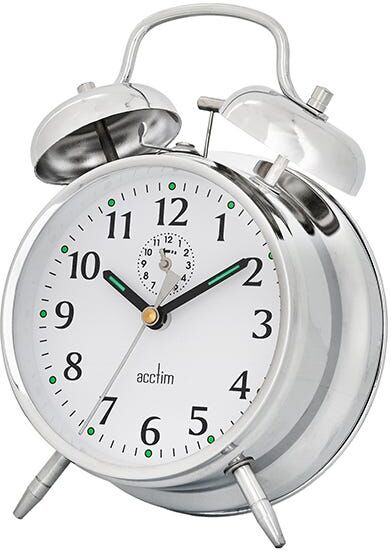
Acctim Saxon Alarm Clock ChromeFor those who prefer a more traditional alarm clock, the Acctim Saxon Alarm Clock in Chrome is the perfect option. This classic aesthetic clock feature a metal case, feet and bells as well as a mechanical wind-up movement. Finished with luminous tipped hands and bell alarm with separate alarm time dial. Dimensions: 16.7cm x 11.7cm x 6cm. 1 year guarantee15,16 £*Shipping: 3,50 £Secure redirect to the provider
-
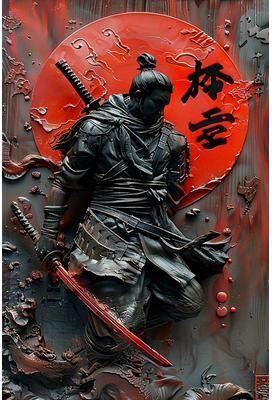
Silver Stone Store Samurai Sword Art Metal Sign Authentic Japanese Warrior Painting For Cafe, Garage & History Themed Room Decor 6 20x30cmElevate Your Dcor with Vintage Japanese Samurai Wall ArtBring the bold spirit of ancient warriors into your home with this handcrafted metal samurai wall art. Perfect for man caves, bars, cafes, garages, or historythemed rooms, this Japanese warrior...24,97 $*Shipping: 0,00 $Secure redirect to the provider
-
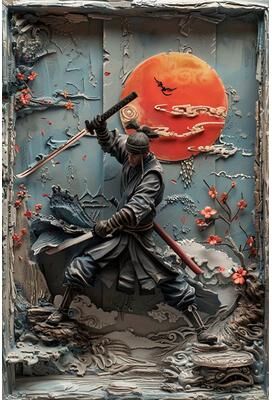
Silver Stone Store Samurai Sword Art Metal Sign Authentic Japanese Warrior Painting For Cafe, Garage & History Themed Room Decor 7 20x30cmElevate Your Dcor with Vintage Japanese Samurai Wall ArtBring the bold spirit of ancient warriors into your home with this handcrafted metal samurai wall art. Perfect for man caves, bars, cafes, garages, or historythemed rooms, this Japanese warrior...24,97 $*Shipping: 0,00 $Secure redirect to the provider
-
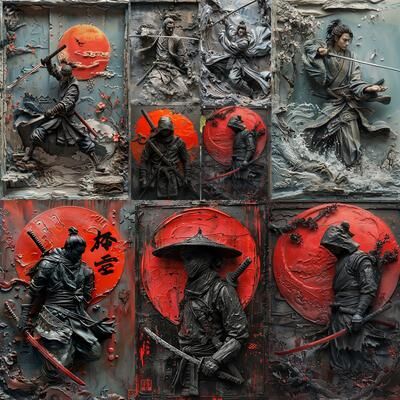
Silver Stone Store Samurai Sword Art Metal Sign Authentic Japanese Warrior Painting For Cafe, Garage & History Themed Room Decor 5 20x30cmElevate Your Dcor with Vintage Japanese Samurai Wall ArtBring the bold spirit of ancient warriors into your home with this handcrafted metal samurai wall art. Perfect for man caves, bars, cafes, garages, or historythemed rooms, this Japanese warrior...24,97 $*Shipping: 0,00 $Secure redirect to the provider
-
Can you describe the painting "Winter Night" by Edvard Munch?
"Winter Night" by Edvard Munch is a haunting and evocative painting that depicts a snowy landscape at night. The scene is dominated by a dark, foreboding forest, with a solitary figure walking through the snow. The use of dark, muted colors and the stark contrast between the figure and the surrounding landscape creates a sense of isolation and loneliness. The painting captures the eerie stillness and quiet beauty of a winter night, while also conveying a sense of unease and mystery. **
-
What is the visual interpretation of Edvard Munch's Golgotha around 1900?
Edvard Munch's "Golgotha" around 1900 is a haunting and evocative visual interpretation of the crucifixion of Jesus Christ. The painting depicts a dark and desolate landscape with three crosses in the background, conveying a sense of despair and anguish. The figures in the foreground are distorted and anguished, reflecting the intense emotional and psychological turmoil of the crucifixion. Munch's use of color and brushstrokes adds to the overall sense of unease and suffering in the painting, making it a powerful and emotive representation of this pivotal moment in Christian history. **
-
How do you interpret the painting The Scream by Edvard Munch?
The painting The Scream by Edvard Munch is often interpreted as a representation of the anxiety, fear, and existential dread experienced by the modern individual. The figure in the painting appears to be in a state of extreme distress, with a contorted face and a sense of isolation. The swirling, vibrant colors and the distorted landscape contribute to the overall feeling of unease and chaos. The painting is often seen as a powerful expression of the human condition, capturing the overwhelming emotions and psychological turmoil that can accompany modern life. **
-
What did Edvard Munch want to express with the painting The Scream?
Edvard Munch wanted to express the overwhelming anxiety and existential dread that he felt during a walk along a fjord in Norway. The figure in the painting is meant to convey a sense of terror and despair, with the swirling, distorted background representing the chaotic and unsettling nature of the world. Munch's use of color and composition was intended to evoke a sense of unease and disorientation, reflecting his own inner turmoil and the broader anxieties of modern life. **
What is the connection between the Lydian mode and Norwegian folk music in the works of Edvard Grieg?
The Lydian mode, with its raised 4th scale degree, is often associated with a bright and uplifting sound. Edvard Grieg, a Norwegian composer, incorporated elements of Norwegian folk music into his compositions, and the Lydian mode is frequently found in Norwegian folk music. Grieg's use of the Lydian mode in his works, such as the famous "Morning Mood" from his Peer Gynt suite, reflects his incorporation of Norwegian folk melodies and scales into his compositions, creating a connection between the Lydian mode and Norwegian folk music in his music. **
Why is no Germanic history taught?
Germanic history is often overlooked in traditional history curriculums because it is not as well-documented or as widely studied as other historical periods. Additionally, the focus of many history courses tends to be on more well-known civilizations and empires, suchjson as ancient Greece and Rome, or more recent events such as the World Wars. However, Germanic history has played a significant role in shaping Europe and the world, and it is important to include it in historical education to provide a more comprehensive understanding of the past. Efforts are being made to incorporate Germanic history into curriculums, but it may still be overshadowed by other historical topics. **
Top-Angebote
Products related to Edvard:
-
HARPERCOLLINS The Last Kingdom: The Warrior Chronicles Tales Series 6 Books Collection Set by Bernard Cornwell Epic Historical Fiction Saxon TalesImmerse yourself in the brutal and heroic world of Uhtred of Bebbanburg with The Last Kingdom: The Warrior Chronicles / Saxon Tales Series 2 – 6 Books Collection Set by Bernard Cornwell. Set in 9th and 10th century England during the Viking invasions, this gripping series combines history, warfare, and unforgettable storytelling. Follow Uhtred — a Saxon raised by Vikings — as he battles for his homeland, torn between two worlds and two loyalties. With Cornwell’s masterful blend of historical accuracy and thrilling adventure, these novels are perfect for fans of epic sagas, medieval fiction, and the hit Netflix series The Last Kingdom. Whether you’re new to the series or expanding your collection, this 6-book set delivers powerful storytelling from one of Britain’s greatest historical novelists. Bernard Cornwell The Last Kingdom Series 2 (6 Books Collection Set Books 7-12) Warriors of the Storm The new novel in Bernard Cornwells number one bestselling series on the making of England and the fate of his great hero; Uhtred of Bebbanburg. BBC2s major TV show THE LAST KINGDOM is based on the first two books in the series. A fragile peace is about to be broken King Alfreds son Edward and formidable daughter; thelflaed; rule Wessex; Mercia and East Anglia. But all around the restless Northmen; eyeing the rich lands and wealthy churches; are mounting raids. Uhtred of Bebbanburg; the kingdoms greatest warrior; controls northern Mercia from the strongly fortified city of Chester. But forces are rising up against him. Northmen allied to the Irish; led by the fierce warrior Ragnall Ivarson; are soon joined by the Northumbrians; and their strength could prove overwhelming. Despite the gathering threat; both Edward and thelflaed are reluctant to move out of the safety of their fortifications. But with Uhtred's own daughter married to Ivarson's brother; who can be trusted? In the struggle between family and loyalty; between personal ambition and political commitment; there will be no easy path. But a man with a warrior's courage may be able to find it. Such a man is Uhtred;and this may be his finest hour. The Pagan Lord The new novel in Bernard Cornwell's number one bestselling series The Warrior Chronicles; on the making of England and the fate of his great hero; Uhtred of Bebbanburg. Alfred the Great is dead and Edward his son reigns as king. Wessex survives but peace cannot hold. The Danes in the north; led by Viking Cnut Longsword; stand ready to invade and will never rest until the emerald crown is theirs. Uhtred; once Alfred's great warrior but now out of favour with the new king; must lead a band of outcasts north to recapture his old family home; that great Northumbrian fortress; Bebbanburg. Loyalties will be divided and men will fall; as every Saxon kingdom is drawn into the bloodiest battle yet with the Danes; a war which will decide the fate of every king; and the entire English nation. The Empty Throne The new novel in Bernard Cornwell's number one...24,99 £*Shipping: 2,99 £Secure redirect to the provider
-
Silver Stone Store Samurai Sword Art Metal Sign Authentic Japanese Warrior Painting For Cafe, Garage & History Themed Room Decor 8 20x30cmElevate Your Dcor with Vintage Japanese Samurai Wall ArtBring the bold spirit of ancient warriors into your home with this handcrafted metal samurai wall art. Perfect for man caves, bars, cafes, garages, or historythemed rooms, this Japanese warrior...24,97 $*Shipping: 0,00 $Secure redirect to the provider
-
Acctim Saxon Alarm Clock ChromeFor those who prefer a more traditional alarm clock, the Acctim Saxon Alarm Clock in Chrome is the perfect option. This classic aesthetic clock feature a metal case, feet and bells as well as a mechanical wind-up movement. Finished with luminous tipped hands and bell alarm with separate alarm time dial. Dimensions: 16.7cm x 11.7cm x 6cm. 1 year guarantee15,16 £*Shipping: 3,50 £Secure redirect to the provider
-
Silver Stone Store Samurai Sword Art Metal Sign Authentic Japanese Warrior Painting For Cafe, Garage & History Themed Room Decor 6 20x30cmElevate Your Dcor with Vintage Japanese Samurai Wall ArtBring the bold spirit of ancient warriors into your home with this handcrafted metal samurai wall art. Perfect for man caves, bars, cafes, garages, or historythemed rooms, this Japanese warrior...24,97 $*Shipping: 0,00 $Secure redirect to the provider
-
What is the painting technique of Edvard Munch?
Edvard Munch was known for his innovative painting technique, which often involved bold, expressive brushstrokes and a focus on conveying emotion and psychological intensity. He was a pioneer of the Symbolist and Expressionist movements, and his use of color and form was highly influential in the development of modern art. Munch's technique often involved layering and blending colors to create a sense of depth and movement, and he frequently used unconventional compositions and perspectives to convey the inner turmoil and existential angst of his subjects. Overall, Munch's painting technique was characterized by its emotional intensity and its ability to evoke powerful, visceral responses from viewers. **
-
How should I analyze the despair of Edvard Munch?
To analyze the despair in Edvard Munch's work, it is important to consider the context in which he was creating his art. Munch's personal struggles and experiences with mental illness, as well as the societal changes and upheavals of his time, greatly influenced his work. Look for recurring themes and symbols in his art, such as isolation, anxiety, and death, and consider how these reflect his inner turmoil. Additionally, examining the use of color, composition, and brushwork can provide insight into the emotional intensity of Munch's work and the depth of his despair. **
-
Can you describe the painting "Winter Night" by Edvard Munch?
"Winter Night" by Edvard Munch is a haunting and evocative painting that depicts a snowy landscape at night. The scene is dominated by a dark, foreboding forest, with a solitary figure walking through the snow. The use of dark, muted colors and the stark contrast between the figure and the surrounding landscape creates a sense of isolation and loneliness. The painting captures the eerie stillness and quiet beauty of a winter night, while also conveying a sense of unease and mystery. **
-
What is the visual interpretation of Edvard Munch's Golgotha around 1900?
Edvard Munch's "Golgotha" around 1900 is a haunting and evocative visual interpretation of the crucifixion of Jesus Christ. The painting depicts a dark and desolate landscape with three crosses in the background, conveying a sense of despair and anguish. The figures in the foreground are distorted and anguished, reflecting the intense emotional and psychological turmoil of the crucifixion. Munch's use of color and brushstrokes adds to the overall sense of unease and suffering in the painting, making it a powerful and emotive representation of this pivotal moment in Christian history. **
Similar search terms for Edvard
-
Silver Stone Store Samurai Sword Art Metal Sign Authentic Japanese Warrior Painting For Cafe, Garage & History Themed Room Decor 7 20x30cmElevate Your Dcor with Vintage Japanese Samurai Wall ArtBring the bold spirit of ancient warriors into your home with this handcrafted metal samurai wall art. Perfect for man caves, bars, cafes, garages, or historythemed rooms, this Japanese warrior...24,97 $*Shipping: 0,00 $Secure redirect to the provider
-
Silver Stone Store Samurai Sword Art Metal Sign Authentic Japanese Warrior Painting For Cafe, Garage & History Themed Room Decor 5 20x30cmElevate Your Dcor with Vintage Japanese Samurai Wall ArtBring the bold spirit of ancient warriors into your home with this handcrafted metal samurai wall art. Perfect for man caves, bars, cafes, garages, or historythemed rooms, this Japanese warrior...24,97 $*Shipping: 0,00 $Secure redirect to the provider
-
Silver Stone Store Samurai Sword Art Metal Sign Authentic Japanese Warrior Painting For Cafe, Garage & History Themed Room Decor 4 20x30cmElevate Your Dcor with Vintage Japanese Samurai Wall ArtBring the bold spirit of ancient warriors into your home with this handcrafted metal samurai wall art. Perfect for man caves, bars, cafes, garages, or historythemed rooms, this Japanese warrior...24,97 $*Shipping: 0,00 $Secure redirect to the provider
-
Silver Stone Store Samurai Sword Art Metal Sign Authentic Japanese Warrior Painting For Cafe, Garage & History Themed Room Decor 1 20x30cmElevate Your Dcor with Vintage Japanese Samurai Wall ArtBring the bold spirit of ancient warriors into your home with this handcrafted metal samurai wall art. Perfect for man caves, bars, cafes, garages, or historythemed rooms, this Japanese warrior...24,97 $*Shipping: 0,00 $Secure redirect to the provider
-
How do you interpret the painting The Scream by Edvard Munch?
The painting The Scream by Edvard Munch is often interpreted as a representation of the anxiety, fear, and existential dread experienced by the modern individual. The figure in the painting appears to be in a state of extreme distress, with a contorted face and a sense of isolation. The swirling, vibrant colors and the distorted landscape contribute to the overall feeling of unease and chaos. The painting is often seen as a powerful expression of the human condition, capturing the overwhelming emotions and psychological turmoil that can accompany modern life. **
-
What did Edvard Munch want to express with the painting The Scream?
Edvard Munch wanted to express the overwhelming anxiety and existential dread that he felt during a walk along a fjord in Norway. The figure in the painting is meant to convey a sense of terror and despair, with the swirling, distorted background representing the chaotic and unsettling nature of the world. Munch's use of color and composition was intended to evoke a sense of unease and disorientation, reflecting his own inner turmoil and the broader anxieties of modern life. **
-
What is the connection between the Lydian mode and Norwegian folk music in the works of Edvard Grieg?
The Lydian mode, with its raised 4th scale degree, is often associated with a bright and uplifting sound. Edvard Grieg, a Norwegian composer, incorporated elements of Norwegian folk music into his compositions, and the Lydian mode is frequently found in Norwegian folk music. Grieg's use of the Lydian mode in his works, such as the famous "Morning Mood" from his Peer Gynt suite, reflects his incorporation of Norwegian folk melodies and scales into his compositions, creating a connection between the Lydian mode and Norwegian folk music in his music. **
-
Why is no Germanic history taught?
Germanic history is often overlooked in traditional history curriculums because it is not as well-documented or as widely studied as other historical periods. Additionally, the focus of many history courses tends to be on more well-known civilizations and empires, suchjson as ancient Greece and Rome, or more recent events such as the World Wars. However, Germanic history has played a significant role in shaping Europe and the world, and it is important to include it in historical education to provide a more comprehensive understanding of the past. Efforts are being made to incorporate Germanic history into curriculums, but it may still be overshadowed by other historical topics. **
* All prices are inclusive of VAT and, if applicable, plus shipping costs. The offer information is based on the details provided by the respective shop and is updated through automated processes. Real-time updates do not occur, so deviations can occur in individual cases. ** Note: Parts of this content were created by AI.