Buy widukind.net ?
We are moving the project
widukind.net .
Are you interested in purchasing the domain
widukind.net ?
domain@kv-gmbh.de · 0541-91531010
Buy widukind.net ?
Are walking leaves allowed to eat raspberry leaves?
Walking leaves, also known as leaf insects, are herbivorous and primarily feed on the leaves of certain plants. Raspberry leaves are safe for them to eat and can be a part of their diet. However, it's important to ensure that the raspberry leaves are free from any pesticides or chemicals that could be harmful to the walking leaves. Additionally, it's always a good idea to provide a varied diet for walking leaves to ensure they receive all the necessary nutrients. **
Do sun leaves or shade leaves have more chlorophyll?
Sun leaves have more chlorophyll compared to shade leaves. This is because sun leaves are exposed to higher light intensity and need more chlorophyll to capture and convert light energy into chemical energy through photosynthesis. Shade leaves, on the other hand, receive less light and therefore have less chlorophyll to optimize their photosynthetic efficiency in low light conditions. **


Similar search terms for Leaves
Top-Angebote
Products related to Leaves:
-
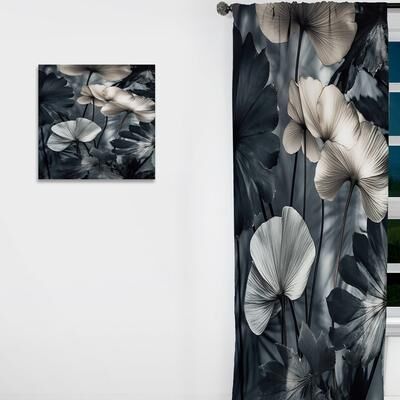
DESIGN ART "Designart ""Tropical Ginkgo Leaves I"" Leaves Curtain - Blackout Floral Curtain - 1 Panel""Bring a breath of fresh air to your windows and spruce up any space in your home with this ""Tropical Ginkgo Leaves I"" Leaves 1 panel curtain. This beautiful Traditional curtain is handmade on demand just for you."91,99 $*Shipping: 0,00 $Secure redirect to the provider
-
DESIGN ART "Designart ""Tropical Ginkgo Leaves I"" Leaves Curtain - Blackout Floral Curtain - 1 Panel""Bring a breath of fresh air to your windows and spruce up any space in your home with this ""Tropical Ginkgo Leaves I"" Leaves 1 panel curtain. This beautiful Traditional curtain is handmade on demand just for you."107,99 $*Shipping: 0,00 $Secure redirect to the provider


-
What are sun leaves and shade leaves in biology?
In biology, sun leaves and shade leaves refer to the different types of leaves that plants develop in response to varying light conditions. Sun leaves are typically smaller, thicker, and have a higher density of chlorophyll, which allows them to efficiently capture and utilize the intense sunlight in open, sunny environments. On the other hand, shade leaves are larger, thinner, and have a lower density of chlorophyll, which helps them maximize light capture in low-light, shaded areas. This adaptation allows plants to optimize their photosynthetic efficiency in different light environments. **
-
Can tomato leaves and basil leaves touch each other?
Yes, tomato leaves and basil leaves can touch each other without any negative effects. In fact, planting tomatoes and basil together is a common practice in companion gardening as they are believed to benefit each other by repelling pests and enhancing each other's growth. Both plants have different growth habits and do not compete for space or resources, making them suitable companions in the garden. **
-
Are leaves digestible?
Leaves are generally not easily digestible for humans due to their high fiber content and tough cell walls. However, some animals like cows, goats, and insects have specialized digestive systems that allow them to break down and extract nutrients from leaves. In some cultures, certain types of leaves are cooked or processed in specific ways to make them more digestible for human consumption. Overall, the digestibility of leaves varies depending on the species and the digestive capabilities of the organism consuming them. **
-
Why are sun leaves thicker and smaller than shade leaves?
Sun leaves are thicker and smaller than shade leaves because they need to withstand higher levels of sunlight and heat. The thicker cuticle and higher density of cells in sun leaves help to reduce water loss and protect the leaf from damage caused by intense sunlight. Additionally, the smaller size of sun leaves helps to minimize the surface area exposed to the sun, reducing the risk of overheating and dehydration. In contrast, shade leaves are thinner and larger to maximize their ability to capture available light in low-light conditions. **

Are tomato leaves and basil leaves allowed to touch each other?
It is generally recommended to avoid allowing tomato leaves and basil leaves to touch each other. This is because tomato plants are susceptible to various diseases that can be transmitted through contact with basil plants. Keeping them separate can help prevent the spread of diseases and ensure the health of both plants. **
Why do mesophytes have soft leaves and xerophytes have hard leaves?
Mesophytes have soft leaves because they typically grow in environments with abundant water availability, so they do not need to conserve water. Soft leaves allow for efficient gas exchange and photosynthesis. On the other hand, xerophytes have hard leaves to reduce water loss through transpiration and to withstand harsh, dry conditions. The hardness of their leaves helps to minimize water loss and protect the plant from desiccation. **
Top-Angebote
Products related to Leaves:
-
HARPERCOLLINS The Last Kingdom: The Warrior Chronicles Tales Series 6 Books Collection Set by Bernard Cornwell Epic Historical Fiction Saxon TalesImmerse yourself in the brutal and heroic world of Uhtred of Bebbanburg with The Last Kingdom: The Warrior Chronicles / Saxon Tales Series 2 – 6 Books Collection Set by Bernard Cornwell. Set in 9th and 10th century England during the Viking invasions, this gripping series combines history, warfare, and unforgettable storytelling. Follow Uhtred — a Saxon raised by Vikings — as he battles for his homeland, torn between two worlds and two loyalties. With Cornwell’s masterful blend of historical accuracy and thrilling adventure, these novels are perfect for fans of epic sagas, medieval fiction, and the hit Netflix series The Last Kingdom. Whether you’re new to the series or expanding your collection, this 6-book set delivers powerful storytelling from one of Britain’s greatest historical novelists. Bernard Cornwell The Last Kingdom Series 2 (6 Books Collection Set Books 7-12) Warriors of the Storm The new novel in Bernard Cornwells number one bestselling series on the making of England and the fate of his great hero; Uhtred of Bebbanburg. BBC2s major TV show THE LAST KINGDOM is based on the first two books in the series. A fragile peace is about to be broken King Alfreds son Edward and formidable daughter; thelflaed; rule Wessex; Mercia and East Anglia. But all around the restless Northmen; eyeing the rich lands and wealthy churches; are mounting raids. Uhtred of Bebbanburg; the kingdoms greatest warrior; controls northern Mercia from the strongly fortified city of Chester. But forces are rising up against him. Northmen allied to the Irish; led by the fierce warrior Ragnall Ivarson; are soon joined by the Northumbrians; and their strength could prove overwhelming. Despite the gathering threat; both Edward and thelflaed are reluctant to move out of the safety of their fortifications. But with Uhtred's own daughter married to Ivarson's brother; who can be trusted? In the struggle between family and loyalty; between personal ambition and political commitment; there will be no easy path. But a man with a warrior's courage may be able to find it. Such a man is Uhtred;and this may be his finest hour. The Pagan Lord The new novel in Bernard Cornwell's number one bestselling series The Warrior Chronicles; on the making of England and the fate of his great hero; Uhtred of Bebbanburg. Alfred the Great is dead and Edward his son reigns as king. Wessex survives but peace cannot hold. The Danes in the north; led by Viking Cnut Longsword; stand ready to invade and will never rest until the emerald crown is theirs. Uhtred; once Alfred's great warrior but now out of favour with the new king; must lead a band of outcasts north to recapture his old family home; that great Northumbrian fortress; Bebbanburg. Loyalties will be divided and men will fall; as every Saxon kingdom is drawn into the bloodiest battle yet with the Danes; a war which will decide the fate of every king; and the entire English nation. The Empty Throne The new novel in Bernard Cornwell's number one...24,99 £*Shipping: 2,99 £Secure redirect to the provider
-
Are walking leaves allowed to eat raspberry leaves?
Walking leaves, also known as leaf insects, are herbivorous and primarily feed on the leaves of certain plants. Raspberry leaves are safe for them to eat and can be a part of their diet. However, it's important to ensure that the raspberry leaves are free from any pesticides or chemicals that could be harmful to the walking leaves. Additionally, it's always a good idea to provide a varied diet for walking leaves to ensure they receive all the necessary nutrients. **
-
Do sun leaves or shade leaves have more chlorophyll?
Sun leaves have more chlorophyll compared to shade leaves. This is because sun leaves are exposed to higher light intensity and need more chlorophyll to capture and convert light energy into chemical energy through photosynthesis. Shade leaves, on the other hand, receive less light and therefore have less chlorophyll to optimize their photosynthetic efficiency in low light conditions. **
-
What are sun leaves and shade leaves in biology?
In biology, sun leaves and shade leaves refer to the different types of leaves that plants develop in response to varying light conditions. Sun leaves are typically smaller, thicker, and have a higher density of chlorophyll, which allows them to efficiently capture and utilize the intense sunlight in open, sunny environments. On the other hand, shade leaves are larger, thinner, and have a lower density of chlorophyll, which helps them maximize light capture in low-light, shaded areas. This adaptation allows plants to optimize their photosynthetic efficiency in different light environments. **
-
Can tomato leaves and basil leaves touch each other?
Yes, tomato leaves and basil leaves can touch each other without any negative effects. In fact, planting tomatoes and basil together is a common practice in companion gardening as they are believed to benefit each other by repelling pests and enhancing each other's growth. Both plants have different growth habits and do not compete for space or resources, making them suitable companions in the garden. **
Similar search terms for Leaves
-
DESIGN ART "Designart ""Tropical Ginkgo Leaves I"" Leaves Curtain - Blackout Floral Curtain - 1 Panel""Bring a breath of fresh air to your windows and spruce up any space in your home with this ""Tropical Ginkgo Leaves I"" Leaves 1 panel curtain. This beautiful Traditional curtain is handmade on demand just for you."91,99 $*Shipping: 0,00 $Secure redirect to the provider
-
DESIGN ART "Designart ""Tropical Ginkgo Leaves I"" Leaves Curtain - Blackout Floral Curtain - 1 Panel""Bring a breath of fresh air to your windows and spruce up any space in your home with this ""Tropical Ginkgo Leaves I"" Leaves 1 panel curtain. This beautiful Traditional curtain is handmade on demand just for you."107,99 $*Shipping: 0,00 $Secure redirect to the provider
-
DESIGN ART "Designart ""Tropical Ginkgo Leaves I"" Leaves Curtain - Blackout Floral Curtain - 1 Panel""Bring a breath of fresh air to your windows and spruce up any space in your home with this ""Tropical Ginkgo Leaves I"" Leaves 1 panel curtain. This beautiful Traditional curtain is handmade on demand just for you."75,99 $*Shipping: 0,00 $Secure redirect to the provider
-
DESIGN ART "Designart ""Tropical Ginkgo Leaves I"" Leaves Curtain - Blackout Floral Curtain - 1 Panel""Bring a breath of fresh air to your windows and spruce up any space in your home with this ""Tropical Ginkgo Leaves I"" Leaves 1 panel curtain. This beautiful Traditional curtain is handmade on demand just for you."89,49 $*Shipping: 0,00 $Secure redirect to the provider
-
Are leaves digestible?
Leaves are generally not easily digestible for humans due to their high fiber content and tough cell walls. However, some animals like cows, goats, and insects have specialized digestive systems that allow them to break down and extract nutrients from leaves. In some cultures, certain types of leaves are cooked or processed in specific ways to make them more digestible for human consumption. Overall, the digestibility of leaves varies depending on the species and the digestive capabilities of the organism consuming them. **
-
Why are sun leaves thicker and smaller than shade leaves?
Sun leaves are thicker and smaller than shade leaves because they need to withstand higher levels of sunlight and heat. The thicker cuticle and higher density of cells in sun leaves help to reduce water loss and protect the leaf from damage caused by intense sunlight. Additionally, the smaller size of sun leaves helps to minimize the surface area exposed to the sun, reducing the risk of overheating and dehydration. In contrast, shade leaves are thinner and larger to maximize their ability to capture available light in low-light conditions. **
-
Are tomato leaves and basil leaves allowed to touch each other?
It is generally recommended to avoid allowing tomato leaves and basil leaves to touch each other. This is because tomato plants are susceptible to various diseases that can be transmitted through contact with basil plants. Keeping them separate can help prevent the spread of diseases and ensure the health of both plants. **
-
Why do mesophytes have soft leaves and xerophytes have hard leaves?
Mesophytes have soft leaves because they typically grow in environments with abundant water availability, so they do not need to conserve water. Soft leaves allow for efficient gas exchange and photosynthesis. On the other hand, xerophytes have hard leaves to reduce water loss through transpiration and to withstand harsh, dry conditions. The hardness of their leaves helps to minimize water loss and protect the plant from desiccation. **
* All prices are inclusive of VAT and, if applicable, plus shipping costs. The offer information is based on the details provided by the respective shop and is updated through automated processes. Real-time updates do not occur, so deviations can occur in individual cases. ** Note: Parts of this content were created by AI.